
European windows & doors
Built for the way Europe lives.
Precision-engineered aluminium, timber and uPVC systems that bring daylight, comfort and lasting energy performance to every climate.
Passive-ready
Low-E glazing
Project support
Uw 0.78W/m²K performance
10+languages supported
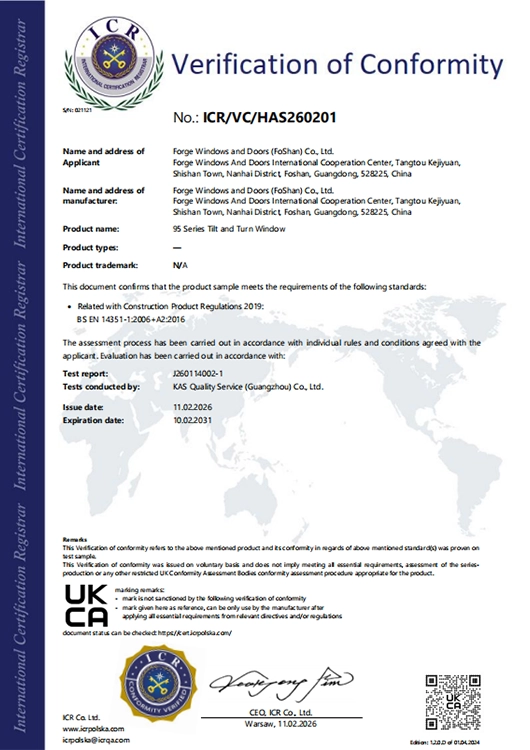
CEEuropean conformity
Made for every climateFrom Nordic winters to Mediterranean summers.
Designed around European expectations
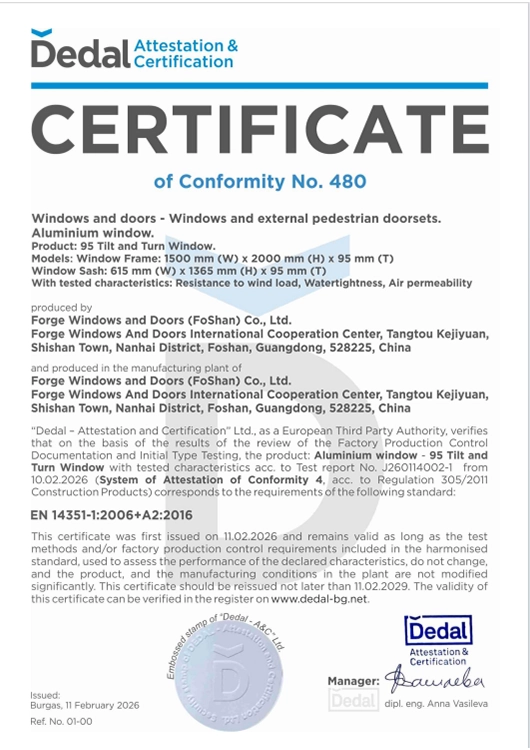
CE / EN 14351-1
Passive-ready
Low-E glazing
Project support
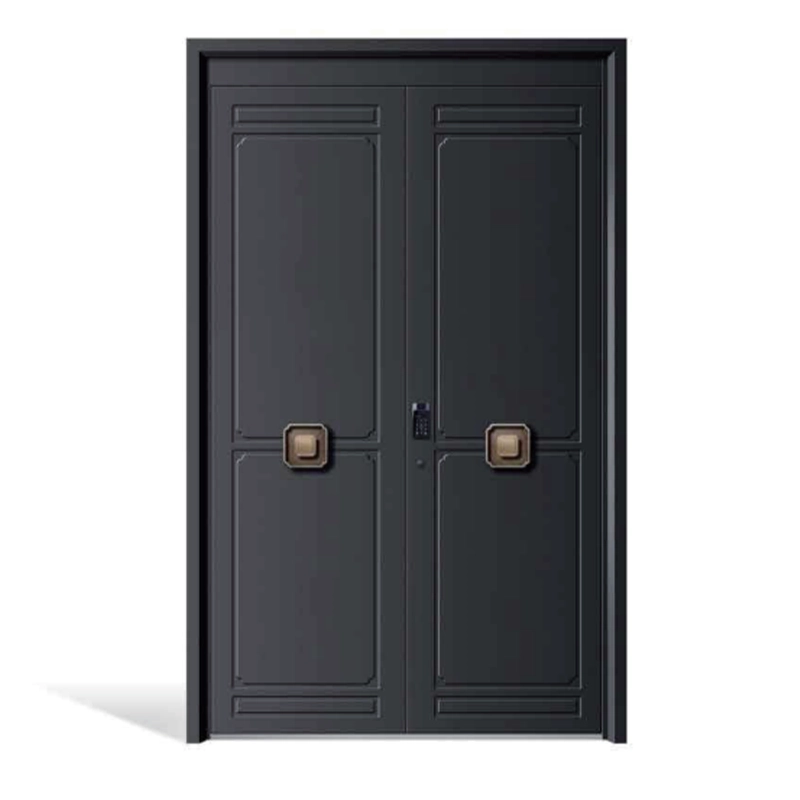
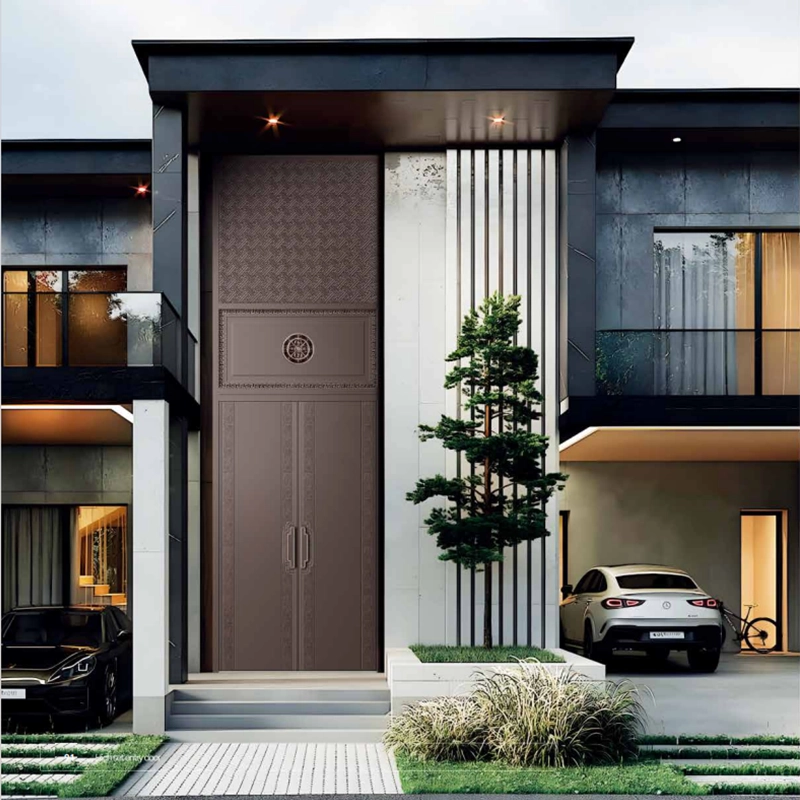
Core Window & Door Products
High-performance systems for European homes, renovation and commercial projects.
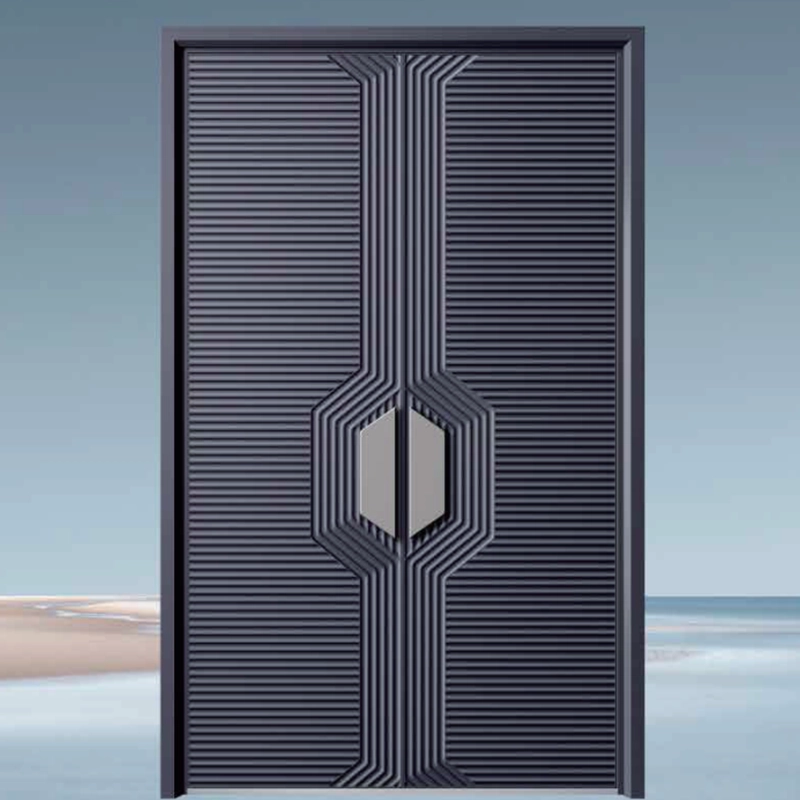
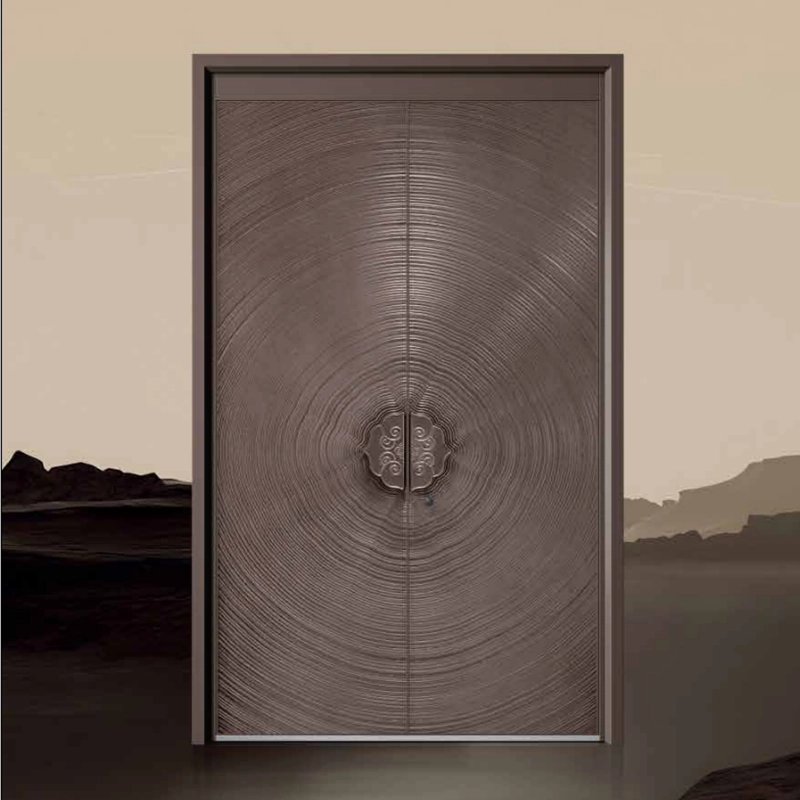
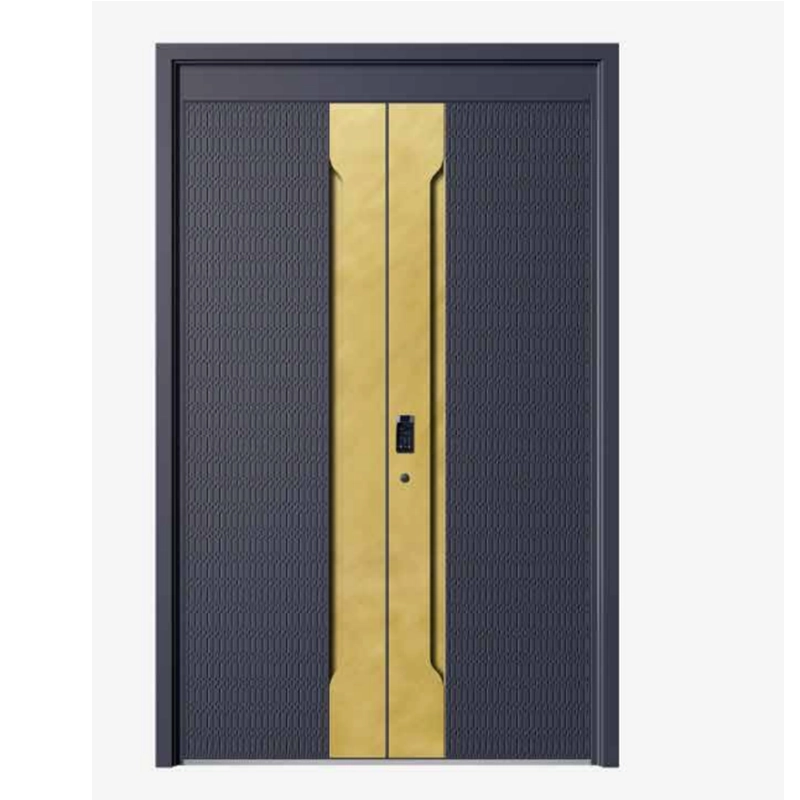
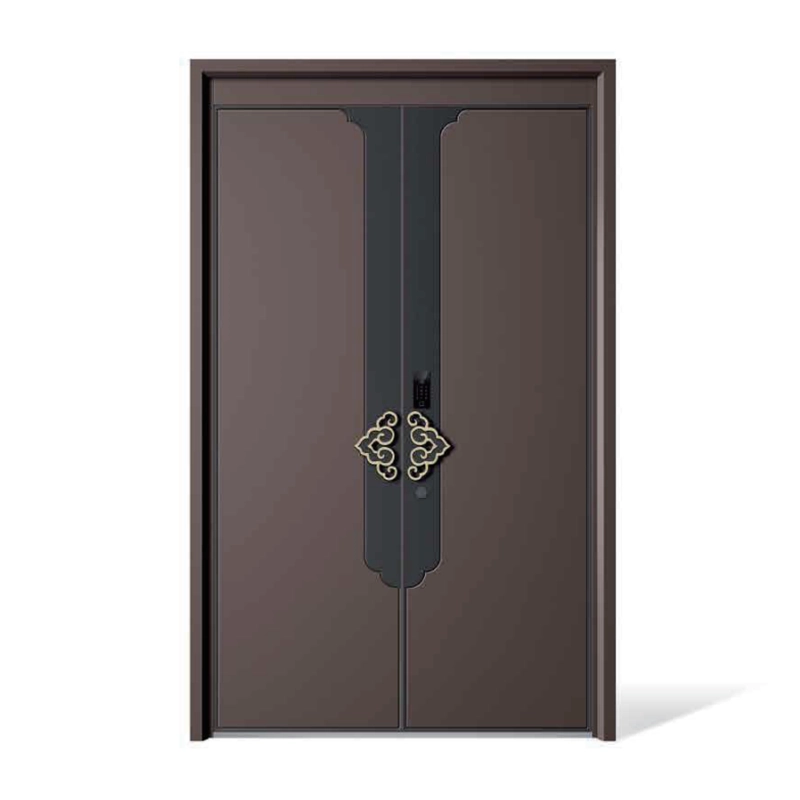
The Forge difference
Performance you can feel, details you can trust.
Every system balances thermal comfort, acoustic calm, security and elegant proportions.
01
Climate-specific engineering
Glazing, seals and frames configured for the project location.
02
One accountable partner
Technical review, production, delivery and aftercare coordinated together.
03
Measured responsibility
Durable materials, repairable hardware and energy-conscious design.
Designed around outcomes
0.78Uw thermal transmittance from W/m²K
47 dBAcoustic reduction configuration
RC2Security option for peace of mind
About Forge Windows
Manufacturing expertise, built for global projects.
Established in 2001, Forge Windows integrates research, manufacturing, project support and service for high-performance window and door systems.
Across three production bases spanning more than 200,000 m², our teams combine experienced fabrication, systematic testing and strict quality control to support residential and commercial projects in over 100 countries.
24+Years of manufacturing
100+Countries served
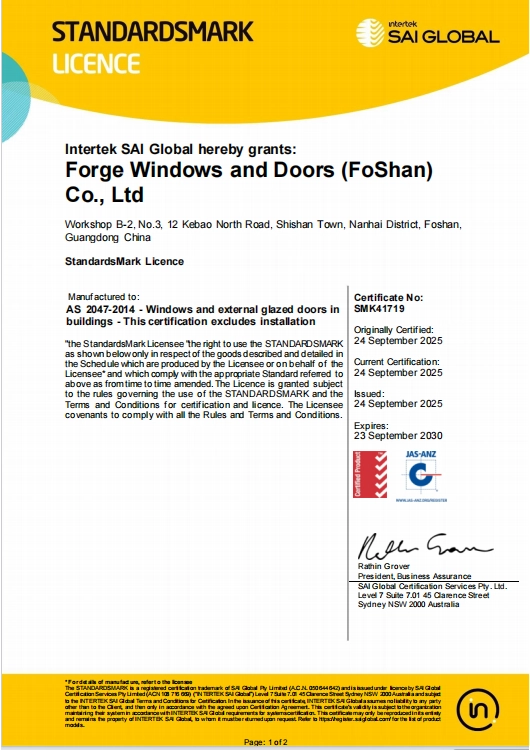
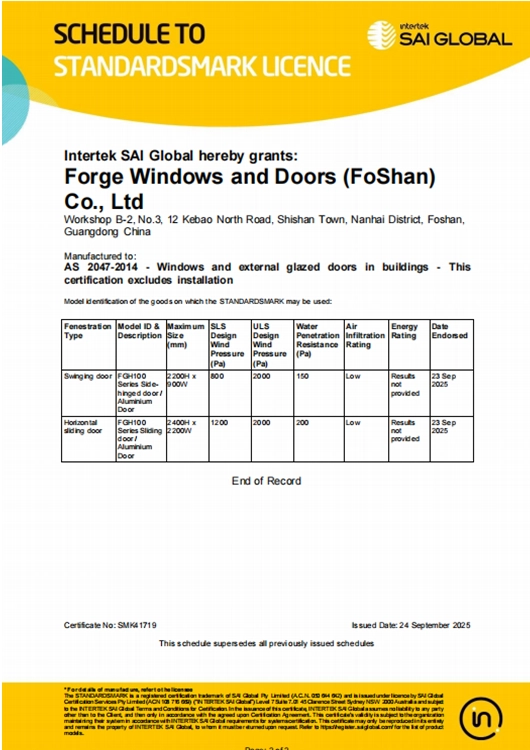
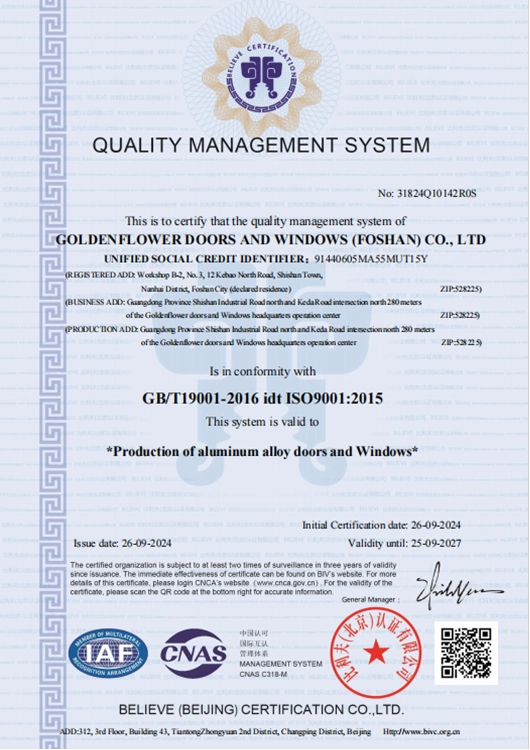
ISO & CECertified systems






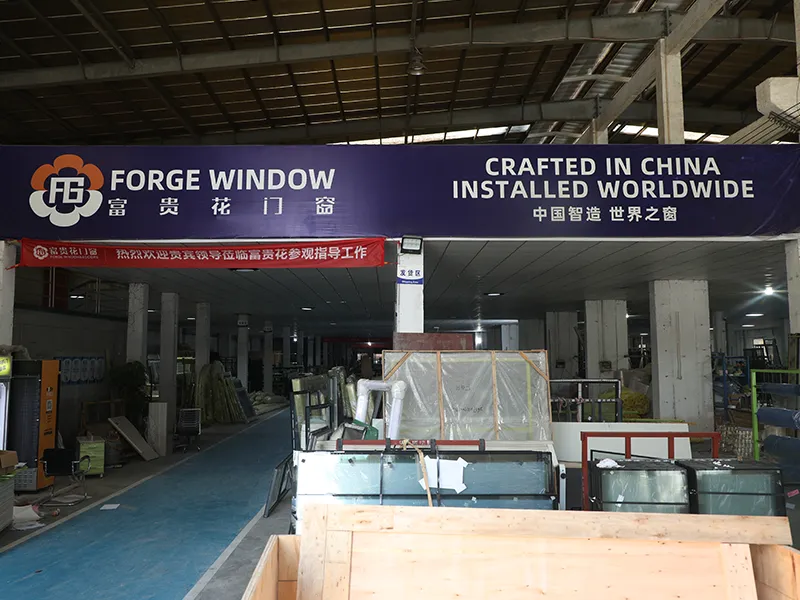
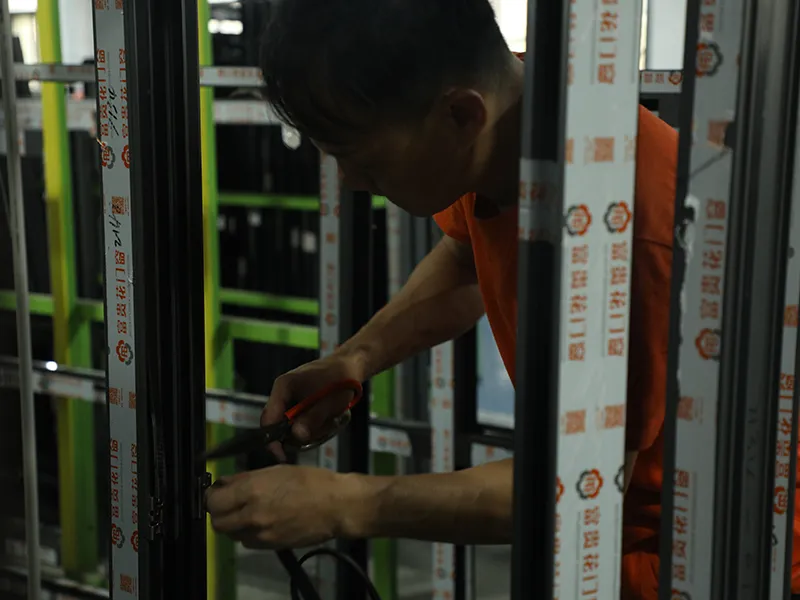
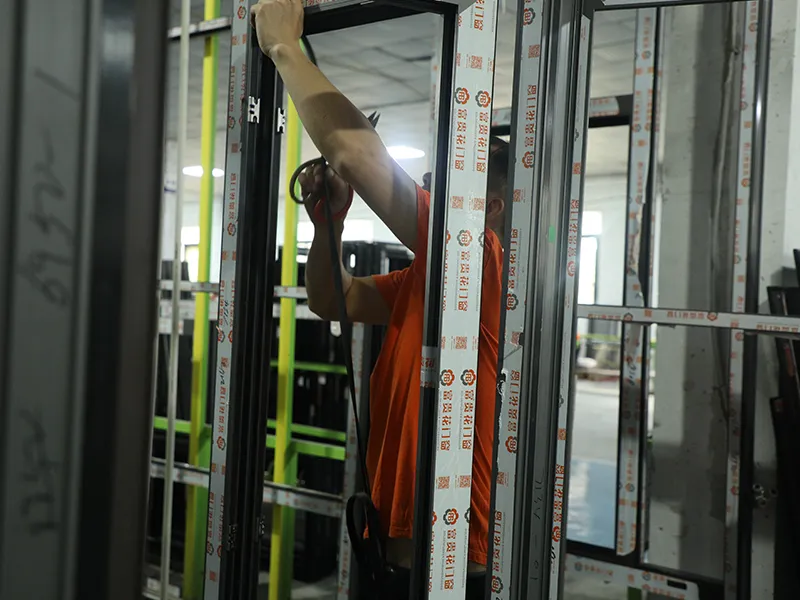
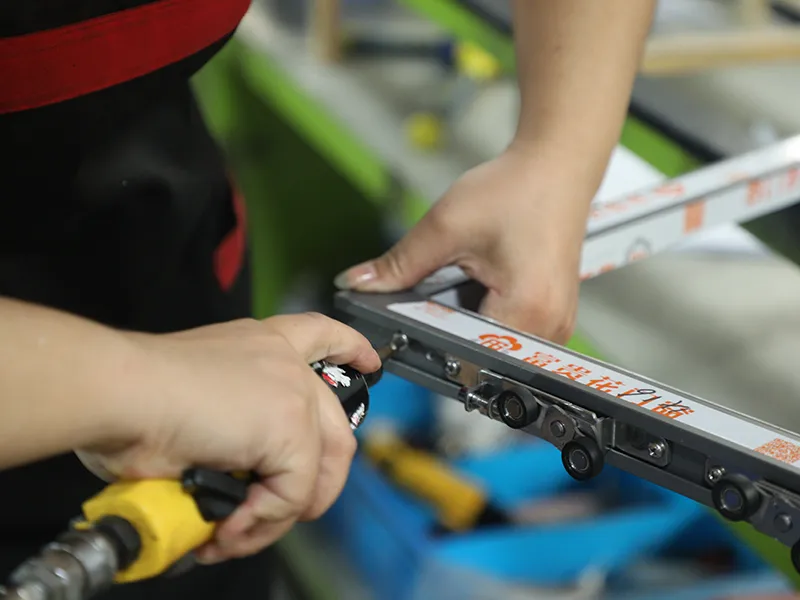
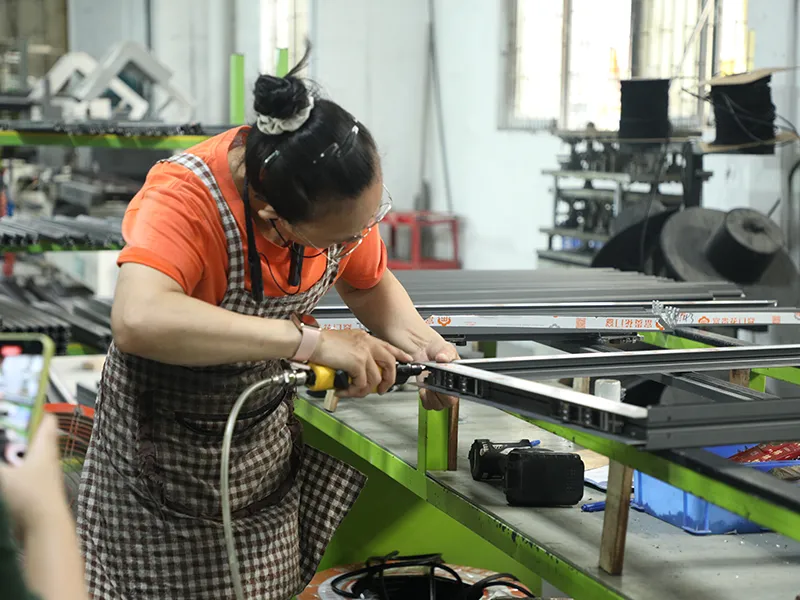
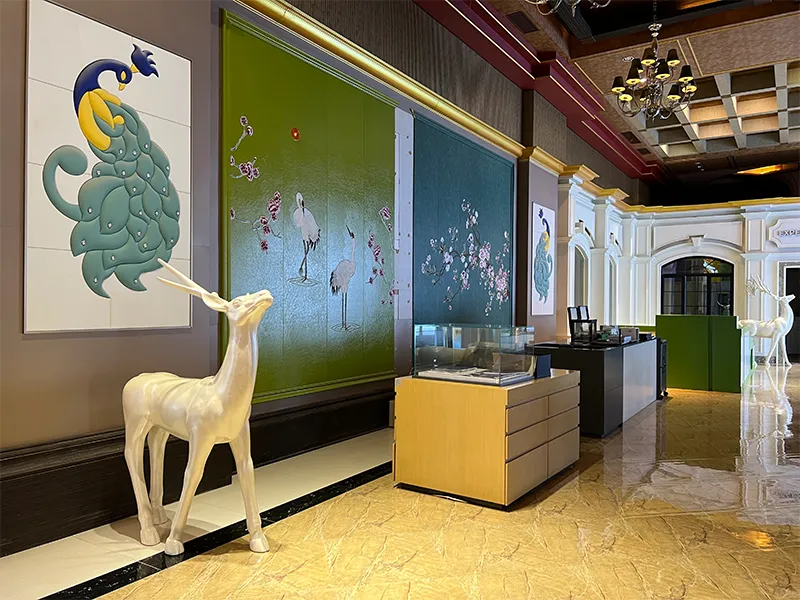
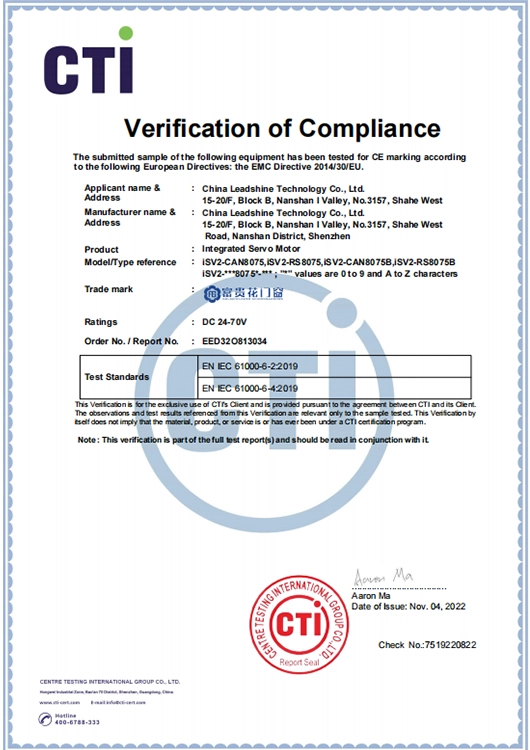
Inside Forge Windows
Factory & Showroom
Explore our manufacturing capability and product experience spaces.

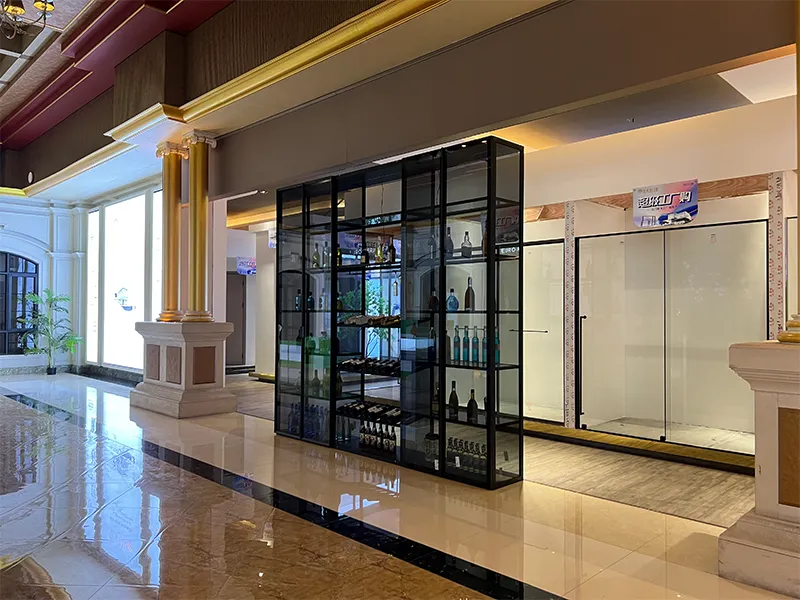

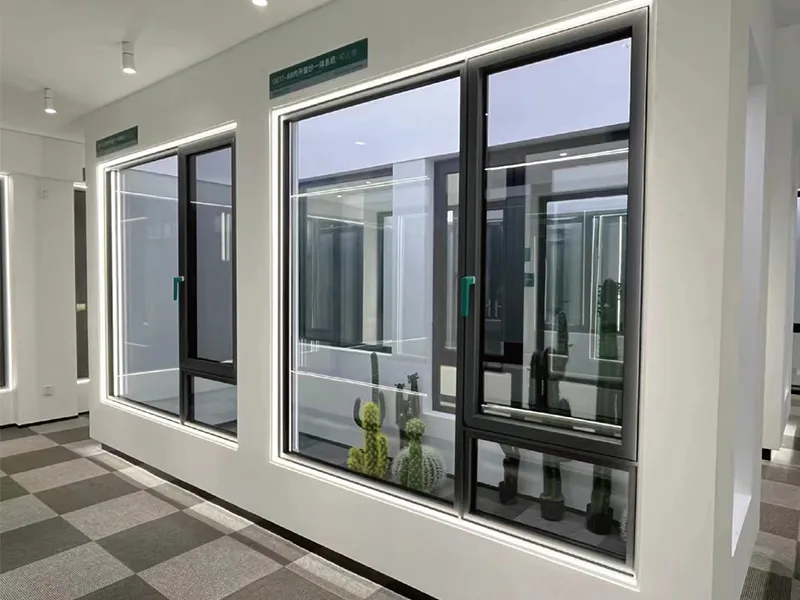
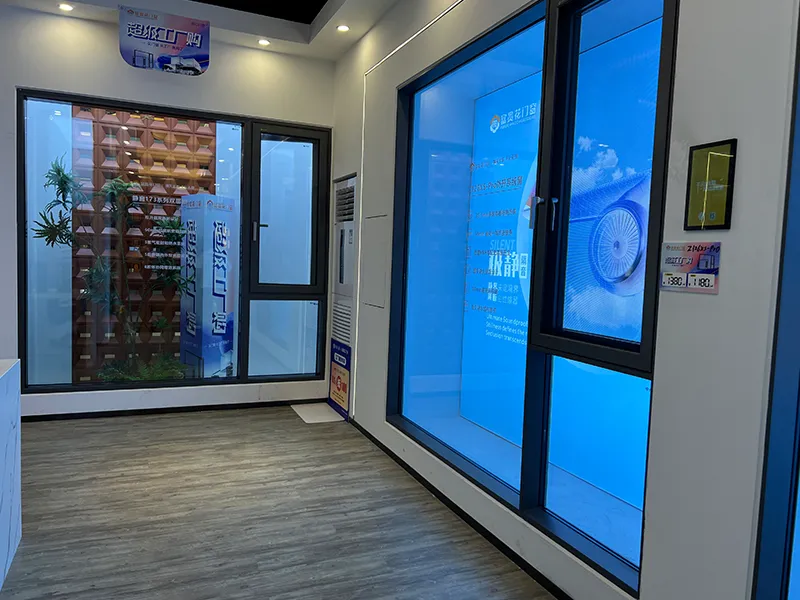

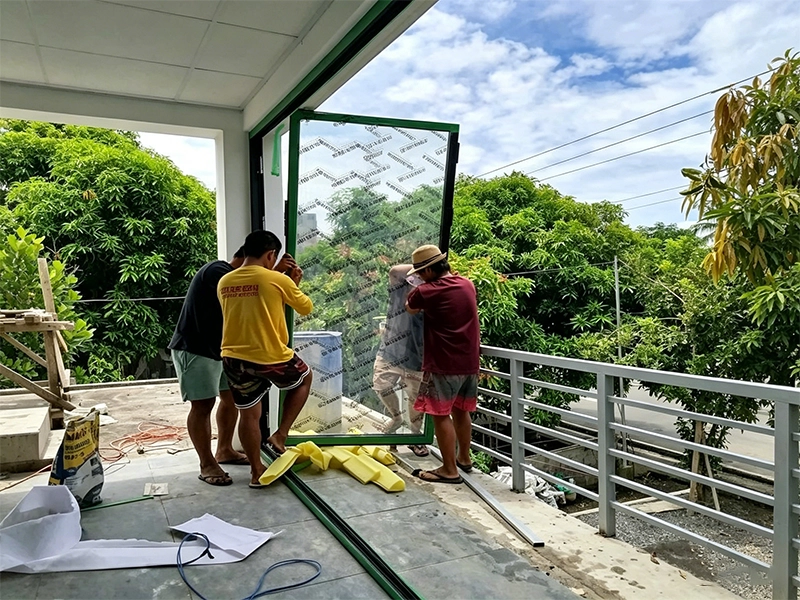
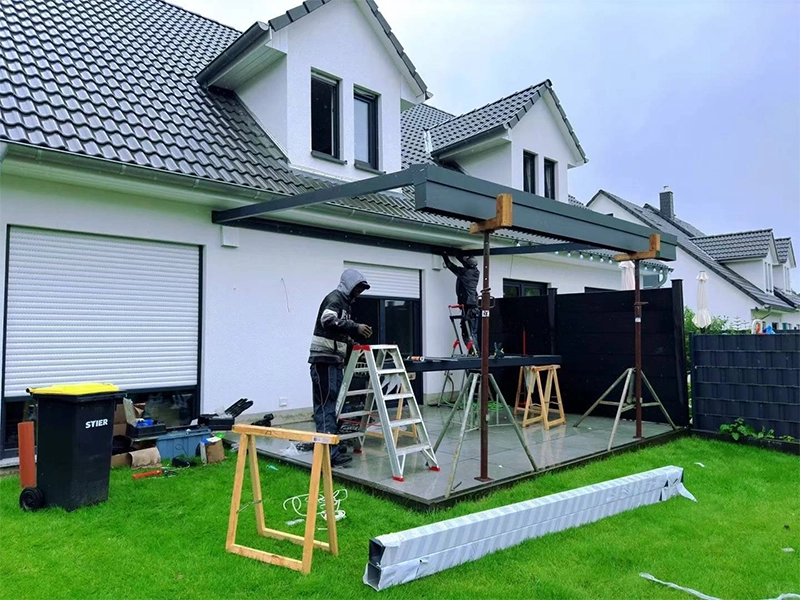
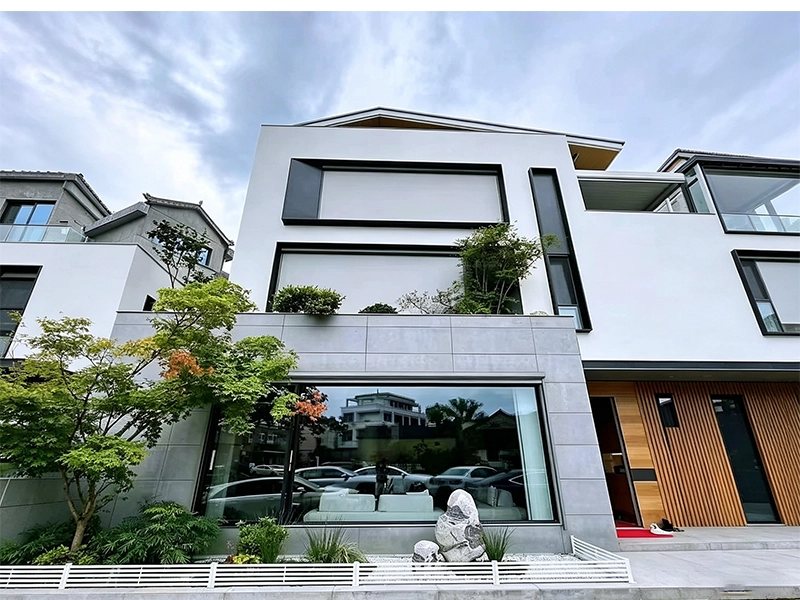
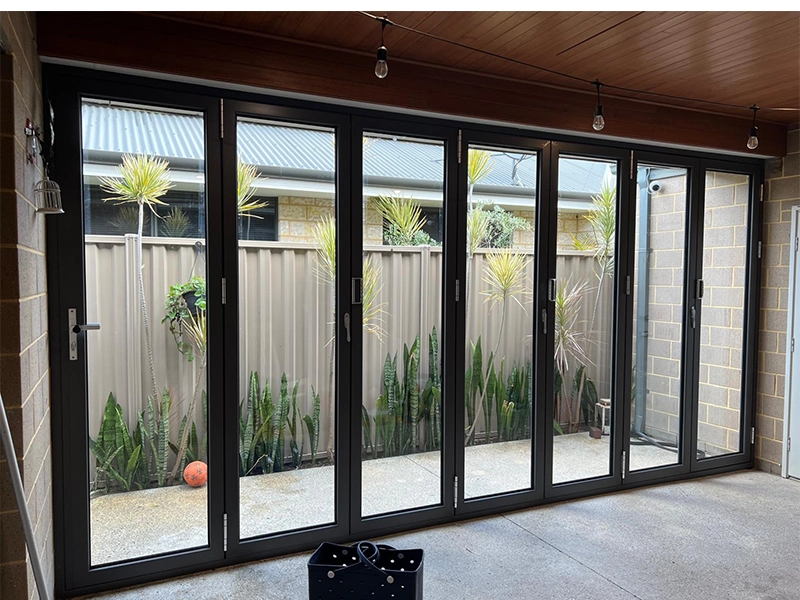
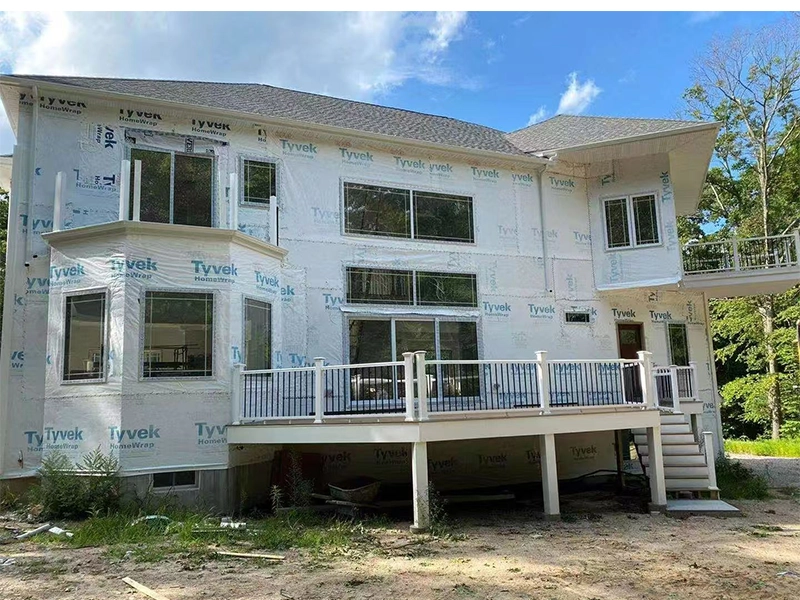

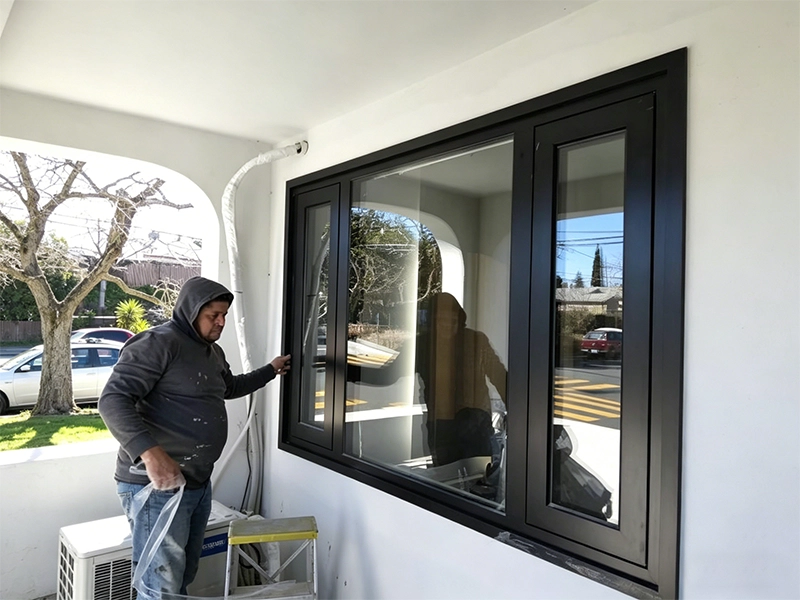
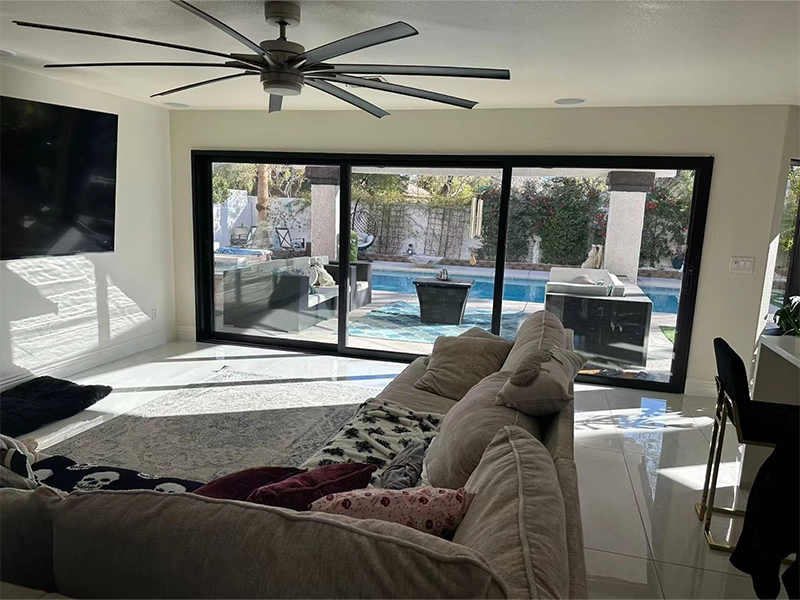

Client stories
Trusted from first sketch to final handover.
“
From shop drawings to handover, the team communicated clearly and solved details before they reached site.Thomas Weber
Construction manager · Germany
“
We needed coastal durability without heavy frames. The result keeps the sea view open and performs exactly as specified.Sofia Almeida
Project director · Portugal
News & Insights
Latest From Forge Windows
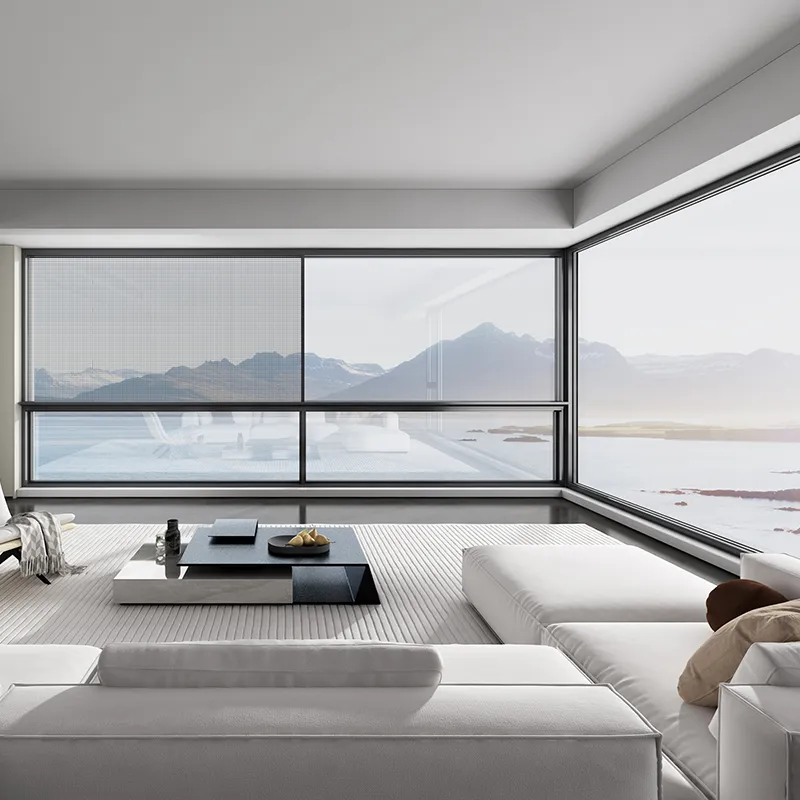
How to Read a Window Uw Value
A practical guide to whole-window thermal performance, glazing values and the questions worth asking.
Read article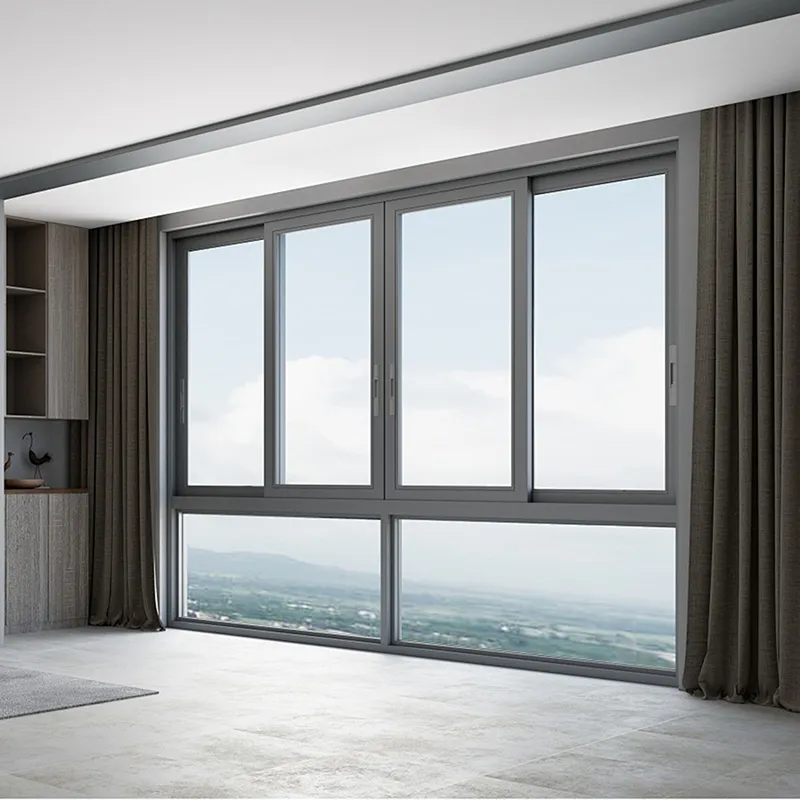
Triple Glazing: Where It Makes Sense
Climate, orientation, comfort and budget all influence whether triple glazing is the right choice.
Read article
Planning Large Sliding Doors
Thresholds, drainage, structural movement and glass size should be resolved early in the design.
Read article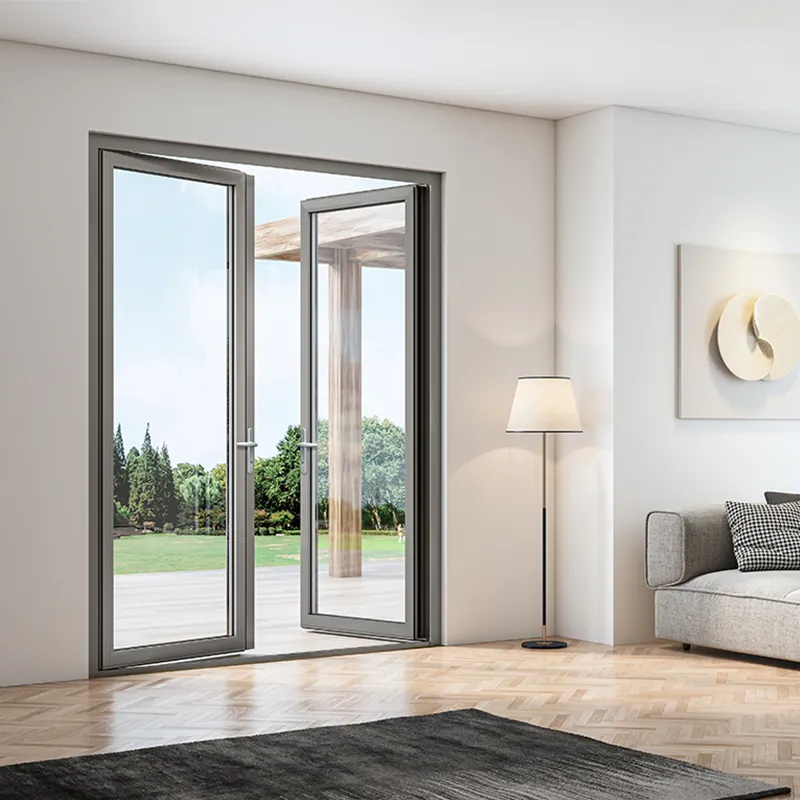
Choosing Window Frames for Coastal Climates
Coastal buildings need durable finishes, suitable hardware and details that manage salt, wind and driving rain.
Read article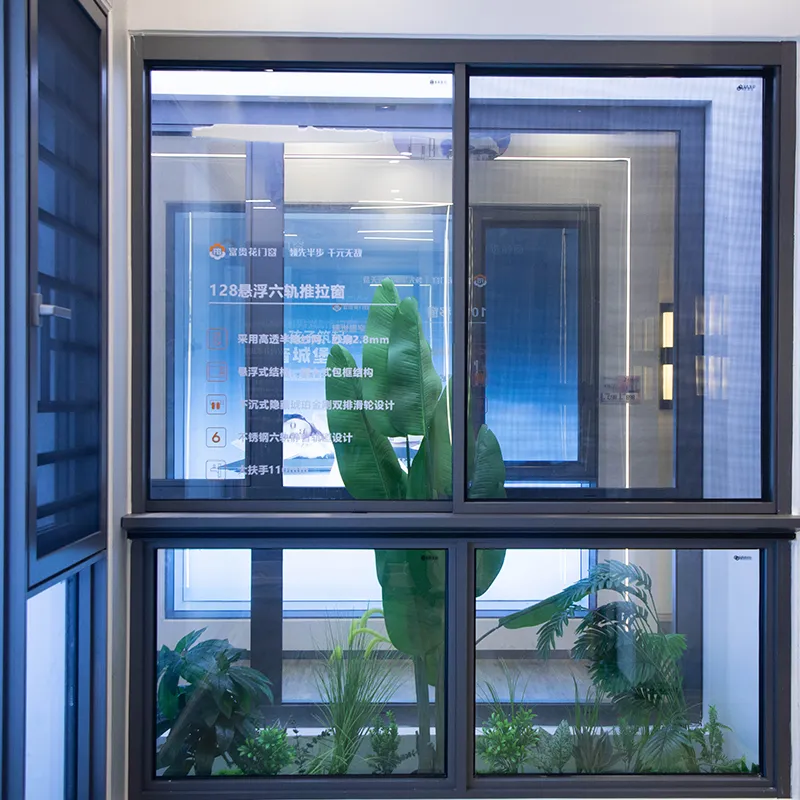
Acoustic Glazing for Urban Homes
Airtight frames and carefully selected laminated glazing can create quieter, more comfortable interiors.
Read article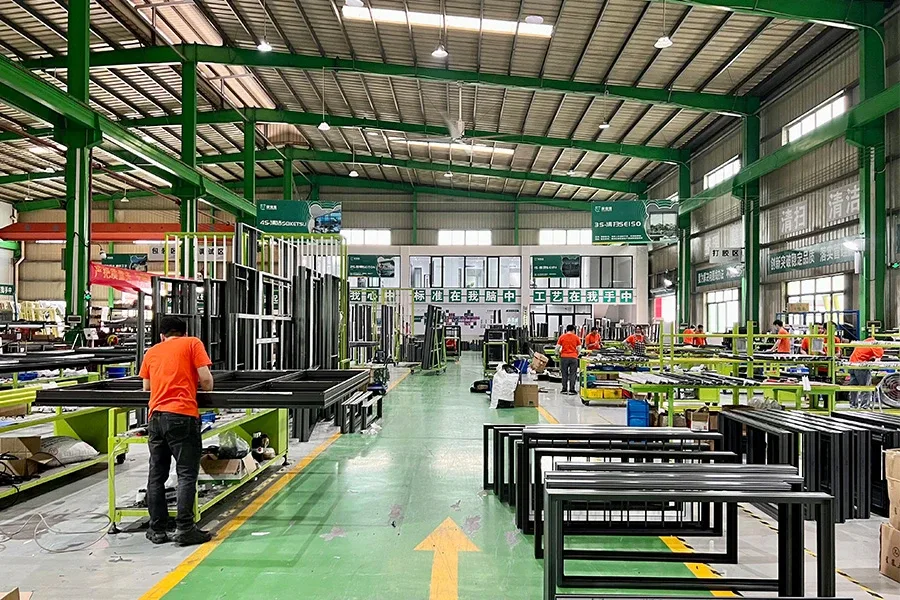
What Architects Need in a Window Schedule
A coordinated schedule should capture opening types, dimensions, performance, finishes, glass and hardware.
Read articleEuropean specification guide
How should windows and doors be specified for European projects?
European window and door specification is a whole-opening process: climate, orientation, declared product performance, glazing, hardware, installation interfaces and destination-country documentation should be coordinated together rather than selected as isolated components.
| Project context | Typical exposure | Specification priorities |
|---|---|---|
| Nordic and cold climates | Long heating seasons and low external temperatures | Whole-window Uw, airtightness, thermal bridges and suitable double or triple glazing |
| Atlantic and exposed regions | Wind-driven rain, repeated wetting and strong weather fronts | Water tightness, wind resistance, drainage, seals and installation interfaces |
| Mediterranean climates | High solar exposure and summer overheating risk | Solar-control glazing, shading coordination, ventilation strategy and durable finishes |
| Coastal locations | Salt-laden air, wind and moisture | Finish selection, corrosion-resistant hardware, maintenance access and weather seals |
What information is needed to specify windows for a European project?
Start with opening dimensions, opening type, whole-window Uw target, wind and water exposure, acoustic goals, glazing safety, finish, hardware, installation interface and the documentation required in the destination country.
Should every European project use triple glazing?
No. Triple glazing can improve thermal and acoustic performance, but glass weight, solar gain, frame capacity, climate, orientation, budget and the project energy model should be reviewed together before selecting the glazing build-up.
What does CE marking communicate for construction products?
For products within the applicable Construction Products Regulation route, CE marking links the product to declared performance assessed using a harmonised technical specification or European Technical Assessment. Project designers must still specify performance appropriate to the intended use.
European regulatory context: Energy Performance of Buildings Directive · Construction Products Regulation. Final project requirements remain subject to the applicable national rules, intended use and project specification.
Contact Us
Get Your Free Solution & Quote
Tell us about your project. Our team will respond within 24 hours with a practical next step.
AddressForge Window Fuguihua International Door & Window Center, Shishan Town, Nanhai District, Foshan City, Guangdong Province, P.R.China
Phone+8618028157370